Meta Title: What to Do After a House Fire | Complete Recovery Guide
Meta Description: Learn what to do after a house fire, including safety steps, insurance claims, smoke damage cleanup, fire damage restoration, and how to protect your property.
What to Do After a House Fire: A Step-by-Step Recovery Guide
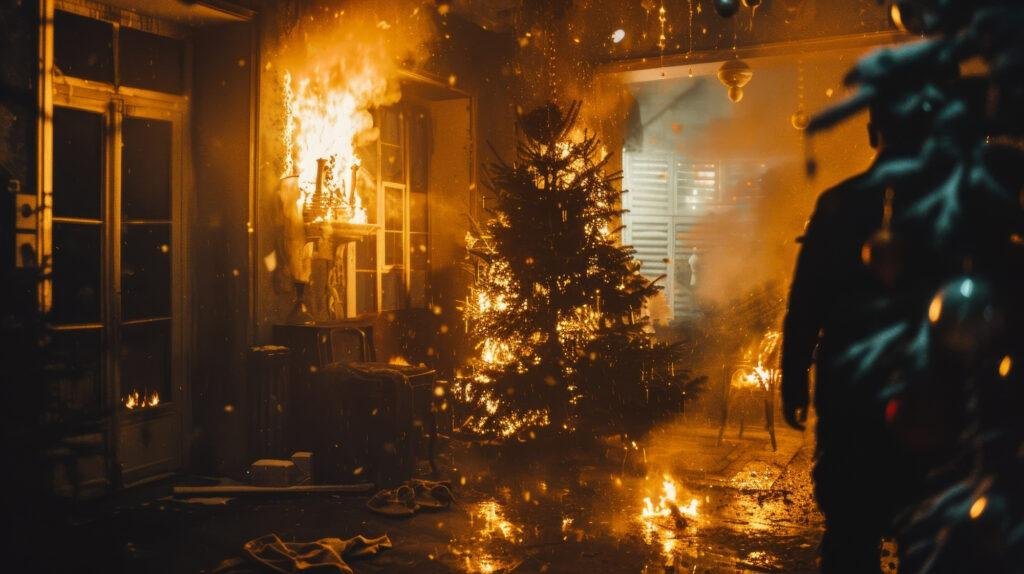
Experiencing a house fire can be one of the most overwhelming events a homeowner faces. Even after the flames are extinguished, the damage left behind often includes smoke contamination, soot residue, water damage from firefighting efforts, structural concerns, and emotional stress.
Knowing what to do after a house fire can help protect your family, prevent further property damage, and make the recovery process more manageable.
This guide explains the most important steps to take after a fire and when to contact professional restoration experts.
Step 1: Prioritize Safety Before Re-Entering
Never assume a property is safe to enter immediately after a fire.
Fire can weaken:
- Walls
- Floors
- Ceilings
- Roof structures
- Stairways
Additionally, smoke residue, exposed wiring, and hidden hot spots may present ongoing hazards.
Only enter the property when local authorities or fire officials have confirmed it is safe to do so.
Step 2: Contact Your Insurance Company
One of the first calls you should make after a fire is to your insurance provider.
Your insurance company may:
- Open a claim
- Assign an adjuster
- Explain coverage details
- Provide instructions for documenting losses
- Recommend temporary housing if needed
Starting the claims process early can help reduce delays during restoration.
Step 3: Document All Damage
Before cleanup begins, thoroughly document the condition of the property.
Take photographs and videos of:
- Structural damage
- Smoke damage
- Soot contamination
- Furniture
- Appliances
- Electronics
- Personal belongings
Detailed documentation can support your insurance claim and help establish the extent of losses.
Step 4: Secure the Property
Fire-damaged properties are often vulnerable to:
- Weather exposure
- Vandalism
- Theft
- Unauthorized entry
Emergency board-up and tarping services help secure damaged windows, doors, and roofing areas.
Securing the property quickly can prevent additional losses while restoration plans are developed.
Step 5: Avoid DIY Fire Cleanup
Many homeowners attempt to clean smoke and soot damage themselves.
Unfortunately, improper cleaning can often make damage worse.
Soot particles can:
- Permanently stain surfaces
- Damage electronics
- Corrode metals
- Contaminate HVAC systems
Professional restoration companies use specialized cleaning techniques designed specifically for fire damage.
Step 6: Address Water Damage Immediately
Many people focus only on fire damage and overlook water damage caused during firefighting efforts.
Large amounts of water are often used to extinguish fires, creating additional concerns such as:
- Wet drywall
- Waterlogged flooring
- Structural moisture
- Mold growth
Professional water extraction and structural drying can help prevent secondary damage.
Step 7: Schedule a Professional Fire Damage Assessment
A professional inspection helps identify both visible and hidden damage.
The assessment may evaluate:
- Structural integrity
- Smoke contamination
- Soot accumulation
- Water damage
- HVAC contamination
- Electrical systems
- Plumbing systems
A comprehensive assessment helps determine the scope of restoration required.
Step 8: Remove Smoke and Soot Contamination
Smoke and soot often spread far beyond the area where the fire occurred.
Affected areas may include:
- Walls
- Ceilings
- Flooring
- Furniture
- Cabinets
- Ductwork
Professional smoke damage cleanup and soot removal help restore indoor air quality and prevent long-term damage.
Step 9: Eliminate Smoke Odors
Smoke odors can linger long after visible damage has been removed.
Professional odor removal techniques may include:
- Thermal fogging
- Ozone treatment
- Hydroxyl generators
- Air scrubbing
These specialized methods help remove odors at their source rather than simply masking them.
Step 10: Begin Restoration and Reconstruction
Once cleanup is complete, restoration work can begin.
Depending on the extent of damage, restoration may include:
- Drywall replacement
- Flooring installation
- Cabinet replacement
- Painting
- Roofing repairs
- Electrical repairs
- Plumbing repairs
- Structural reconstruction
The goal is to restore the property to its pre-loss condition as efficiently as possible.
Common Mistakes to Avoid After a House Fire
Avoiding these mistakes can help simplify the recovery process.
Entering Too Soon
Never enter the property until it has been deemed safe.
Throwing Away Damaged Items
Damaged belongings may be needed for insurance documentation.
Delaying Restoration
Waiting too long can increase damage and restoration costs.
Ignoring Water Damage
Moisture left behind after firefighting efforts can lead to mold growth and structural issues.
Attempting DIY Smoke Cleanup
Improper cleaning methods can spread soot and cause additional damage.
How Long Does Fire Damage Restoration Take?
The restoration timeline depends on:
- Severity of the fire
- Structural damage
- Smoke contamination
- Water damage
- Reconstruction requirements
Minor restoration projects may take days or weeks, while major fire losses may require several months to fully restore.
Does Insurance Cover Fire Damage Restoration?
Many homeowners insurance policies provide coverage for fire-related losses.
Coverage may include:
- Structural repairs
- Smoke damage cleanup
- Temporary housing
- Personal property restoration
- Reconstruction
Coverage varies by policy, so property owners should review their specific insurance documents.
Frequently Asked Questions
What should I do immediately after a house fire?
Prioritize safety, contact your insurance company, document damage, and secure the property.
Can I stay in my house after a fire?
This depends on the extent of damage and whether the property has been deemed safe by authorities.
How soon should fire restoration begin?
Restoration should begin as quickly as possible to minimize additional damage.
Is smoke damage dangerous?
Smoke residue can affect indoor air quality and may contain harmful contaminants.
Can fire damage be fully repaired?
In many cases, professional restoration services can successfully restore fire-damaged properties.
Contact Uplift Restoration for Fire Damage Recovery
Recovering from a house fire can feel overwhelming, but you do not have to navigate the process alone.
Uplift Restoration provides emergency board-up services, smoke damage cleanup, soot removal, odor removal, water extraction, structural drying, reconstruction, electrical services, plumbing services, and complete fire damage restoration throughout California.
Our experienced restoration team is available to help protect your property, restore your home, and guide you through the recovery process after a fire.