There’s something almost cinematic about a Los Angeles morning — sun-warmed stucco, jacarandas in bloom, the hum of the 405 in the distance. Then you walk into your kitchen and step in two inches of water. A burst pipe, a slow leak under the dishwasher, or one of those surprise rainstorms that funnel water through a hairline crack in the roof. Suddenly, your peaceful morning has turned into a small emergency.
If that scene feels familiar, you’re not alone. Thousands of LA homeowners deal with unwanted water every year, and how quickly you respond can be the difference between a quick cleanup and a five-figure repair. This guide breaks down what you need to know about water damage restoration Los Angeles residents trust — and what to do in those critical first hours.
Why Water Damage Hits Los Angeles Harder Than You’d Think
Los Angeles doesn’t get the rain Seattle does, but our homes weren’t really built to handle the rain we do get. Many properties — especially the charming bungalows in Silver Lake, the mid-century gems in the Valley, and the older buildings around West Hollywood — have aging plumbing, flat roofs, and slab foundations that quietly invite trouble.
Add in El Niño storms, atmospheric rivers, and the occasional irrigation mishap, and you’ve got a city where water damage is one of the most common insurance claims homeowners file. The dry climate also tricks people: leaks evaporate fast on the surface, hiding moisture inside drywall and subfloors where mold loves to grow.
The First 24 Hours Are Everything
Water doesn’t just sit on the surface. Within minutes it’s wicking into baseboards, soaking into carpet padding, and seeping behind walls. After 24 hours, mold can start to form. After 48 hours, structural materials begin to weaken.
Here’s what to do the moment you spot a leak or flood:
- Shut off the water at the source if it’s safe to do so.
- Turn off electricity in affected rooms — water and outlets are a dangerous combination.
- Move furniture, rugs, and valuables to a dry area.
- Take photos of everything. Insurance loves photos.
- Call a professional water damage restoration team in Los Angeles.
That last point isn’t just a sales pitch. Most homeowners underestimate how much water has actually spread. Professionals use moisture meters, infrared cameras, and industrial drying equipment to find and remove water you can’t see.
What the Restoration Process Actually Looks Like
A reputable team won’t just show up with a wet-vac and a fan. The water damage restoration process should follow a structured method certified by the IICRC (Institute of Inspection, Cleaning and Restoration Certification).
Inspection and assessment. Technicians map out where water has traveled and classify the damage. Clean water from a pipe is treated differently than greywater from an appliance or blackwater from a sewer backup.
Water extraction. Using truck-mounted pumps and submersible vacuums, the team removes standing water fast.
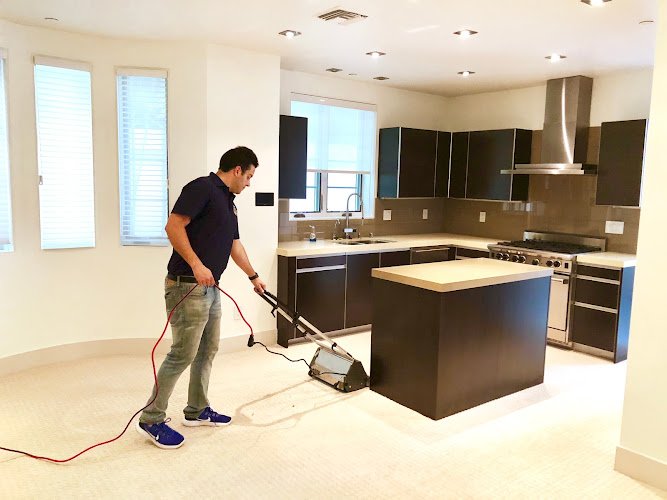
Drying and dehumidification. Industrial air movers and dehumidifiers pull moisture out of materials over the next three to five days. Skipping this step is how mold problems are born.
Cleaning and sanitizing. Affected surfaces are treated with antimicrobial solutions, and any contaminated materials are safely removed.
Restoration. Drywall, flooring, paint, and trim are repaired or replaced so your home looks like nothing ever happened.
DIY or Call the Pros?
If a glass spills on the floor, grab a towel. If a pipe bursts in the wall behind your bathroom vanity at 2 a.m., please don’t try to be a hero. Beyond the obvious safety issues — electricity, mold spores, contaminated water — DIY drying almost always leaves moisture trapped inside building materials. That hidden moisture becomes a long-term problem you can’t see until it’s too late.
Professional restoration also documents everything for your insurance company, which can save you hours of phone calls and a lot of out-of-pocket expense.
Why Homeowners Choose Uplift Restoration
At Uplift Restoration, we’ve spent years helping LA homeowners and business owners recover from everything from minor leaks to major floods. We’re available 24/7 because water damage doesn’t schedule itself politely. Our technicians are IICRC-certified, our equipment is industrial-grade, and we work directly with most major insurance carriers so you’re not stuck navigating paperwork on your worst day.
We also serve every corner of the LA metro — from Santa Monica to Pasadena, Long Beach to Burbank — and usually arrive within an hour of your call.
Frequently Asked Questions
How much does water damage restoration cost in Los Angeles?
It depends on the scope. A small bathroom leak might cost $500–$1,500, while a major flood affecting multiple rooms can run $5,000–$15,000 or more. Insurance often covers it.
Will my homeowner’s insurance pay for it?
Most policies cover sudden, accidental water damage. Long-term leaks or flooding from outside sources may need separate flood insurance.
How long does restoration take?
Drying typically takes three to five days. Full restoration with repairs can take one to three weeks depending on the damage.
Don’t Wait for the Damage to Spread
Water damage is one of those problems that only gets more expensive the longer you ignore it. If you’ve spotted a leak, a stain, or that musty smell that wasn’t there yesterday, get it checked now. Call Uplift Restoration any time, day or night — we’ll be there fast, handle the mess, and get your home back to normal.