Meta Title: HVAC Repair & Replacement Cost in California (2026 Guide)
Meta Description: Learn the average HVAC repair and replacement costs in California, including AC repairs, furnace repairs, new HVAC installations, cost factors, and money-saving tips.
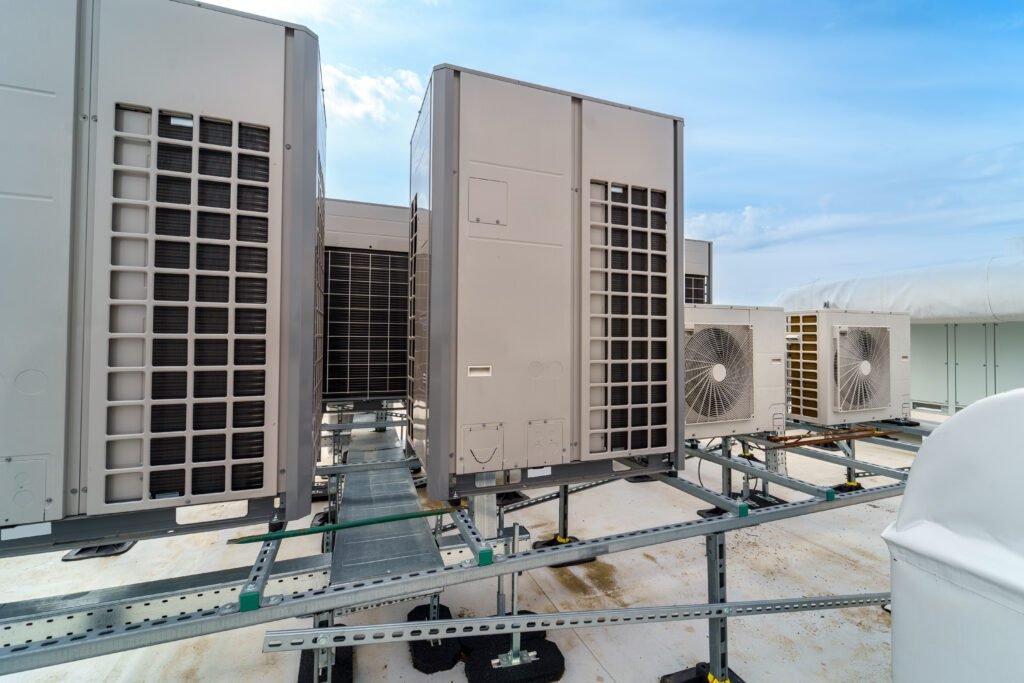
HVAC Repair & Replacement Cost in California
Heating and cooling systems are among the most important components of any home or commercial property. When your HVAC system stops working properly, one of the first questions you’ll likely ask is: How much does HVAC repair or replacement cost in California?
The answer depends on several factors, including the age of the system, equipment type, energy efficiency ratings, labor requirements, and whether repairs or a complete replacement are necessary.
This guide breaks down typical HVAC repair and replacement costs in California, explains what affects pricing, and helps homeowners understand when repairing an existing system makes sense versus investing in a new installation.
Average HVAC Repair Costs in California
HVAC repair costs can vary significantly depending on the issue.
| Service | Average Cost Range |
|---|---|
| HVAC Inspection | $100 – $300 |
| Thermostat Replacement | $150 – $600 |
| Refrigerant Recharge | $250 – $1,000 |
| Capacitor Replacement | $150 – $500 |
| Blower Motor Repair | $300 – $1,500 |
| Compressor Repair | $1,000 – $3,500 |
| Furnace Repair | $200 – $1,500 |
| AC Repair | $200 – $2,500 |
Minor repairs are often affordable, while major component failures can become costly enough to justify system replacement.
Average HVAC Replacement Costs in California
A complete HVAC replacement typically includes the removal of old equipment and installation of new heating and cooling systems.
| System Type | Average Cost Range |
| Central Air Conditioner | $4,500 – $12,000 |
| Furnace Replacement | $3,500 – $10,000 |
| Heat Pump Installation | $6,000 – $18,000 |
| Ductless Mini Split System | $3,000 – $15,000 |
| Complete HVAC System Replacement | $8,000 – $25,000+ |
Higher-efficiency systems generally cost more upfront but can significantly reduce monthly energy bills.
Factors That Affect HVAC Costs
System Age
Older HVAC systems often require more frequent repairs and may use outdated components that are difficult to source.
Most systems have an expected lifespan of:
- Air Conditioners: 10-15 years
- Furnaces: 15-20 years
- Heat Pumps: 10-15 years
Size of the Property
Larger homes require larger HVAC systems capable of conditioning more square footage.
System sizing directly impacts equipment and installation costs.
Energy Efficiency Ratings
High-efficiency systems generally carry a higher purchase price but can provide substantial energy savings over time.
Popular efficiency measurements include:
- SEER Ratings
- AFUE Ratings
- HSPF Ratings
Ductwork Condition
Existing ductwork may require:
- Repairs
- Sealing
- Cleaning
- Replacement
Ductwork modifications can significantly affect total project costs.
Emergency Repairs
Emergency HVAC services often cost more than scheduled maintenance or standard service calls due to after-hours labor requirements.
Common HVAC Repairs
Refrigerant Leaks
Low refrigerant levels can reduce cooling performance and increase energy consumption.
Faulty Thermostats
Thermostat failures can cause uneven temperatures and system cycling issues.
Blower Motor Problems
A malfunctioning blower motor may restrict airflow and reduce comfort throughout the property.
Compressor Failure
Compressor replacement is one of the most expensive AC repairs and may indicate that replacement is more economical.
Repair vs Replacement: Which Is Better?
Many homeowners struggle with deciding whether to repair an aging system or replace it entirely.
Replacement may be the better investment when:
- Repairs exceed 50% of replacement cost
- The system is over 15 years old
- Energy bills are increasing
- Frequent repairs are required
- Parts are becoming difficult to obtain
New HVAC systems typically offer improved reliability, efficiency, and comfort.
How to Reduce HVAC Costs
Property owners can reduce HVAC expenses by:
- Scheduling annual maintenance
- Replacing air filters regularly
- Addressing repairs early
- Installing programmable thermostats
- Improving insulation
- Sealing air leaks
Preventive maintenance is often the most cost-effective way to extend system lifespan.
Frequently Asked Questions
How much does HVAC repair cost in California?
Most HVAC repairs range from $200 to $2,500 depending on the issue and equipment involved.
How much does a new HVAC system cost?
A complete HVAC replacement in California typically ranges from $8,000 to $25,000 or more.
How long should an HVAC system last?
Most HVAC systems last between 10 and 20 years depending on maintenance and usage.
Is HVAC replacement worth it?
For older systems requiring frequent repairs, replacement often provides better long-term value.
Can maintenance lower HVAC costs?
Yes. Regular maintenance helps improve efficiency, reduce breakdowns, and extend equipment lifespan.
Schedule Professional HVAC Service
Whether you need HVAC repairs, preventative maintenance, emergency service, or a complete system replacement, working with experienced professionals can help protect your investment and improve indoor comfort.
Uplift Restoration provides professional HVAC repair, replacement, installation, maintenance, and emergency services for residential and commercial properties throughout California.