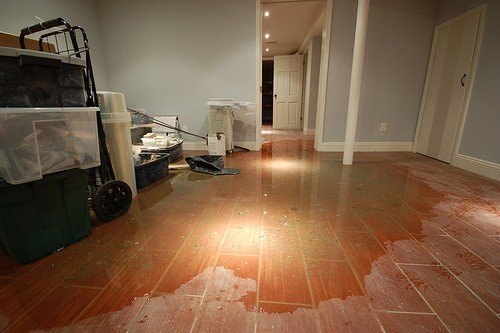
Water damage is one of the most stressful things a homeowner can experience. Whether it’s a burst pipe in the middle of the night, flooding from a heavy rainstorm, or a slow leak that went undetected for weeks, the moment you discover water where it shouldn’t be, everything feels urgent and overwhelming. What do you do first? Who do you call? How bad is it?
The good news is that acting quickly and smartly in the first few hours after water damage can make an enormous difference — both in limiting the extent of the damage and in protecting your insurance claim. Here’s a clear, step-by-step guide to navigating those critical first moments.
Step 1: Ensure Safety Before Anything Else
Before you wade into a flooded room or start pulling up wet carpet, stop and think about safety. Standing water in contact with electrical outlets, appliances, or wiring is a serious electrocution hazard. If you’re not completely certain the power to the affected area has been cut off, don’t enter the space until an electrician or your utility company has confirmed it’s safe.
If the flooding is extensive — particularly in a basement or lower level — also consider structural stability. Water-saturated floors, walls, and ceilings can compromise structural integrity. If you have any doubt, wait for professionals to assess the situation before entering.
Step 2: Stop the Source of Water
If the water damage is coming from a plumbing failure — a burst pipe, a failed appliance connection, an overflowing toilet — locate and shut off the main water supply to your home immediately. You’ll typically find the main shut-off valve near your water meter, usually in a utility area or near the front of the house. Stopping the flow of water prevents minor damage from becoming catastrophic.
If the flooding is caused by weather — storm surge, roof leaks, or surface water intrusion — you obviously can’t stop the rain, but you can take steps to redirect water away from your home and protect the most vulnerable areas with towels, sandbags, or plastic sheeting while you wait for conditions to improve.
Step 3: Document Everything
The moment it’s safe to do so, start documenting the damage thoroughly. Take photos and videos of everything — the source of the water, all affected rooms, damaged furniture and belongings, wet walls and flooring, and any visible signs of structural damage. Do this before any cleanup begins.
This documentation is critical for your insurance claim. The more thorough your records, the stronger your claim and the less room there is for disputes about the scope of damage. Don’t throw anything away before you’ve photographed it, even if it appears obviously damaged beyond repair.
Uplift Restoration works directly with insurance companies to help document and process claims. Learn more about our water damage restoration services in Los Angeles and how we support you through the entire recovery process.
Step 4: Begin Water Extraction and Drying as Fast as Possible
Here’s something every homeowner should know: mold can begin growing within 24 to 48 hours of water exposure. The faster standing water is removed and affected materials are dried, the more you can limit mold growth and secondary structural damage.
If the amount of water is manageable, you can begin extracting it using a wet/dry shop vacuum. Open windows to improve ventilation, run fans to improve air circulation, and if you have access to dehumidifiers, deploy them immediately. Move wet furniture, rugs, and belongings to a dry area. Remove wet baseboards and drywall sections that are clearly saturated, as these retain moisture long after surface water is removed.
For anything beyond a very small, contained water event, professional water extraction equipment — truck-mounted pumps, industrial dehumidifiers, and moisture meters — will dry the space far more effectively and completely than consumer tools. This is where calling a certified restoration company becomes the smart move.
Step 5: Call Your Insurance Company
Contact your homeowner’s insurance company as soon as possible after the damage occurs. Most policies have requirements about timely notification, and delays can complicate your claim. When you call, have your policy number ready and be prepared to describe the source and extent of the damage.
Be aware that standard homeowner’s policies typically cover sudden and accidental water damage (like a burst pipe) but not flooding from external sources (which requires separate flood insurance). A restoration professional with insurance experience can help you understand what is and isn’t covered under your specific policy.
Step 6: Call a Certified Restoration Company
Water damage restoration is not a job for a general handyman or a general cleaning crew. It requires specialised equipment, professional training, and deep knowledge of how water behaves in building materials. The Institute of Inspection, Cleaning and Restoration Certification (IICRC) sets the industry standards for restoration work, and choosing a certified company ensures the job is done correctly.
Proper restoration goes far beyond drying out visible surfaces. It involves moisture mapping to identify hidden wet areas behind walls and under floors, controlled drying protocols to prevent over-drying that can cause additional damage, and thorough documentation for insurance purposes.
Uplift Restoration is a licensed, insured, and IICRC-certified restoration company serving Los Angeles 24/7. Call us now for an immediate response — we’re ready to help any time of day or night.